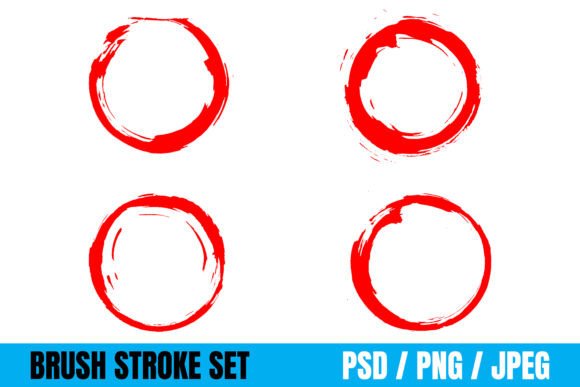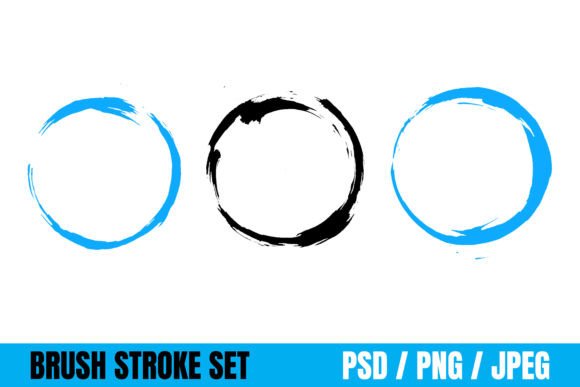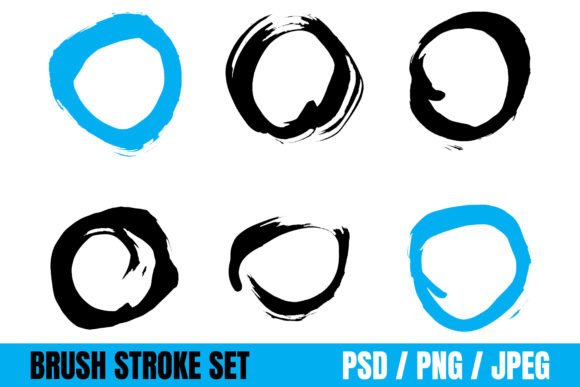
Grungy Brush Circle and Dirty Round Shapes: The Textural Foundation of Modern Design
In the landscape of digital creativity, the pursuit of authenticity often leads designers away from sterile vector perfection and toward the chaotic beauty of the handmade. This shift has elevated assets like the Grungy Brush Circle and Dirty Round Shapes from niche decorative elements to essential components of contemporary visual storytelling. These textures do more than fill space; they inject character, history, and a tactile sense of reality into projects that might otherwise feel flat or overly synthetic. Whether you are crafting a logo for a craft brewery or designing a social media banner for an indie music festival, the strategic application of these rough-edged forms can define the entire mood of your work.
The Aesthetic Power of Imperfection
The core appeal of dirty round shapes lies in their inherent imperfection. In a world dominated by crisp pixels and algorithmic precision, the irregular edges of a grunge texture provide a necessary counterbalance. When a designer integrates a Grungy Brush Circle into a layout, they are introducing a visual narrative of age, wear, and organic creation. This is not merely about adding noise; it is about establishing a connection with the audience through shared human experiences of physical materials.
Consider the psychology behind the "grunge" aesthetic. It evokes feelings of rebellion, nostalgia, and raw energy. Unlike a perfect geometric circle generated by software, a dirty round shape suggests movement and the hand of the artist. It implies that the object was painted, stamped, or worn down over time. This psychological cue is powerful for brands looking to appear approachable, authentic, or edgy. For educators creating course materials, this texture can break up dense text and make learning materials feel less rigid. For business owners, it can signal a commitment to artisanal quality rather than mass production.
Visual Hierarchy and Depth
Beyond emotional resonance, these textures serve a functional role in visual hierarchy. A solid color block can sometimes recede too far into the background or dominate the foreground too aggressively. By applying a Dirty Round Shape as a backdrop or an overlay, designers create depth without relying on complex drop shadows or gradients. The variation in opacity and the rough edges of the brush stroke guide the eye naturally across the composition. This technique is particularly effective in web design, where user attention spans are short, and visual interest must be captured immediately.
Versatility Across Creative Formats
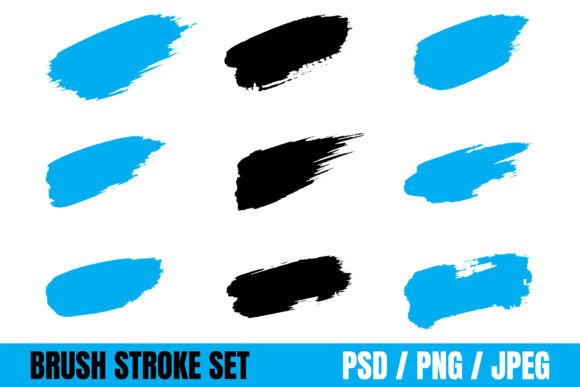
The utility of this set of paintbrush strokes is defined by its adaptability. The collection is perfectly created for your creative projects because it transcends specific mediums. The files are available in multiple formats, including PSD, JPEG, and PNG, ensuring compatibility with almost any workflow. This flexibility allows creators to move seamlessly between print and digital environments without losing the integrity of the texture.
- PSD Files: For professional graphic designers working in Adobe Photoshop, the layered PSD format offers unparalleled control. You can adjust the blending modes, opacity, and even manipulate individual brush strokes within the file. This is crucial for high-end packaging design or book cover art where every pixel matters.
- PNG Files: The transparency of PNG files makes them ideal for web developers and social media managers. You can place a Grungy Brush Circle over a photograph or a video thumbnail without worrying about a white box obscuring the underlying content. This is essential for creating dynamic social media banners that stand out in crowded feeds.
- JPEG Files: For quick mockups, presentations, or print drafts where file size is a concern, the high-quality JPEG versions provide a reliable solution. They are perfect for sharing concepts with clients who may not have access to advanced editing software.
Application in Print Media
In the realm of print, the texture of a dirty round shape translates beautifully to paper stock. When used on T-shirts, the rough edges mimic the look of screen printing, adding a vintage streetwear vibe that resonates with fashion-forward consumers. On packaging, these elements can suggest a product that is natural, organic, or handmade. Imagine a coffee bag featuring a large, textured circle that frames the brand logo; the dirtiness of the shape reinforces the idea of earthy, roasted beans.
Similarly, for card designs, whether they are invitations or greeting cards, these brush strokes add a layer of sophistication. A wedding invitation utilizing a subtle Dirty Round Shape in the corner can feel elegant yet rustic, avoiding the cliché of floral patterns while still conveying warmth. Book covers also benefit immensely from this style. A thriller novel might use a dark, aggressive brush circle to frame the title, creating a sense of mystery and tension that a clean typeface alone could not achieve.
Integrating Textures into Digital Workflows
For digital creators, the integration of these assets requires a thoughtful approach to ensure they enhance rather than clutter the design. The key is balance. Because grunge textures are inherently busy, they should be used to support the primary message, not compete with it. When designing a website header, a large Grungy Brush Circle can serve as an anchor point for navigation links or a call-to-action button, drawing the user's focus to the most important area of the page.
Social media banners present another unique opportunity. Platforms like Instagram, LinkedIn, and Twitter rely heavily on visual impact. A standard gradient background is often forgotten, but a banner featuring a bold, dirty round shape creates immediate recognition. It breaks the grid of the platform and signals that the content within is distinct and curated. Marketers can use these shapes to highlight promotional codes, event dates, or new product launches, ensuring the information pops against the chaotic background.
Workflow Efficiency for Professionals
Time is a critical resource for professionals and hobbyists alike. One of the significant advantages of using a pre-made set of paintbrush strokes is the efficiency it brings to the design process. Creating realistic grunge textures from scratch involves hours of photo manipulation, masking, and painting. By utilizing a library of Dirty Round Shapes, designers can bypass the technical hurdles and focus on the creative strategy. This allows for rapid prototyping and iteration, which is vital in fast-paced industries like advertising and e-commerce.
Furthermore, the availability of different sizes and variations within the set means that a single asset pack can solve multiple problems. A small, faint brush stroke might be perfect for a watermark on a document, while a massive, saturated circle could serve as the main element of a poster. This scalability ensures that the investment in the asset yields returns across various project types, from small logos to large-scale environmental graphics.
Trends and Future Directions in Textural Design
The popularity of grunge aesthetics is not a fleeting trend; it is a cyclical return to form that aligns with broader cultural shifts. As audiences become increasingly fatigued by hyper-polished corporate imagery, there is a growing demand for visuals that feel human and imperfect. The Grungy Brush Circle represents this desire for authenticity. We are seeing this trend expand beyond traditional graphic design into motion graphics and 3D modeling, where textures are applied to virtual objects to give them weight and presence.
Looking forward, we can expect to see these dirty round shapes evolving in complexity. Designers will likely combine them with other emerging styles, such as neo-brutalism or kinetic typography, to create hybrid aesthetics that challenge conventional norms. For researchers and educators studying visual communication, these assets offer a fascinating case study in how texture influences perception and memory retention. The roughness of the shape acts as a mnemonic device, making the associated content more memorable to the viewer.
Considerations for Implementation
While the benefits are clear, there are considerations to keep in mind when implementing these textures. Context is paramount. A dirty round shape might be perfect for a rock band's merchandise but inappropriate for a medical technology firm's annual report. Understanding the target audience and the brand voice is essential before applying these elements. Additionally, color choice plays a significant role. A black grunge circle on a white background reads differently than a pastel one on a dark background. Experimentation is encouraged to find the right tonal balance.
Accessibility is another factor. While texture adds depth, it should not compromise readability. Ensure that text placed over or within a Dirty Round Shape remains legible. Using high contrast or placing text in the negative space of the shape can mitigate potential issues. By adhering to these principles, creators can harness the power of grunge textures responsibly and effectively.
Empowering Creativity Through Texture
Ultimately, the value of this set of paintbrush strokes lies in its ability to empower creators. It provides a toolkit for those who wish to express something more profound than simple geometry. Whether you are a student experimenting with layout, a business owner rebranding your company, or a hobbyist designing a personal blog, the Grungy Brush Circle and Dirty Round Shapes offer a versatile foundation for innovation.
The inclusion of PSD, JPEG, and PNG files ensures that technical barriers are removed, allowing the creative vision to take center stage. As you explore these assets, remember that the goal is not just to decorate, but to communicate. Let the rough edges tell a story of resilience, the stains hint at history, and the circles frame your ideas with a sense of organic unity. In doing so, you transform static images into dynamic experiences that resonate deeply with your audience.