Watercolor Vector Brush: A Practical Guide to Choosing the Right Assets
If you are looking to add a touch of organic texture to your digital designs, a Watercolor Vector Brush can be the perfect tool. These assets bridge the gap between the fluid unpredictability of traditional paint and the crisp precision of vector graphics. However, not all brushes or packs are created equal. Many creators dive in without understanding the technical nuances, only to find their files are unusable for large-scale printing or difficult to manipulate in their preferred software. Understanding what you are actually buying—and how to use it effectively—is the difference between a professional finish and a frustrating experience.
Understanding the Value of Vector Watercolor Assets
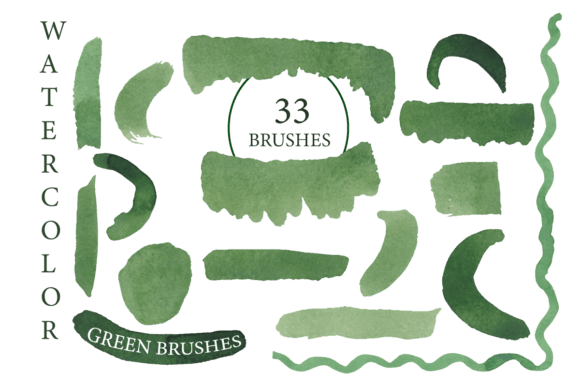
A Watercolor Vector Brush is more than just a pretty image; it is a scalable graphic resource designed to mimic the look of water-based paints while retaining the mathematical flexibility of vector paths. Unlike raster images (like standard JPEGs or PNGs) which lose quality when enlarged, vector formats such as AI, EPS, and SVG allow you to scale your artwork from a business card to a billboard without any loss of resolution. This makes them indispensable for branding, packaging, and large-format prints.
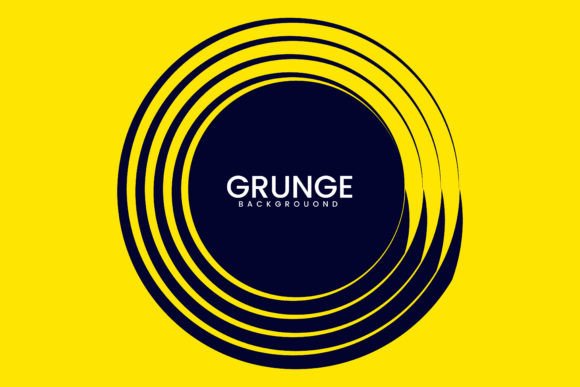
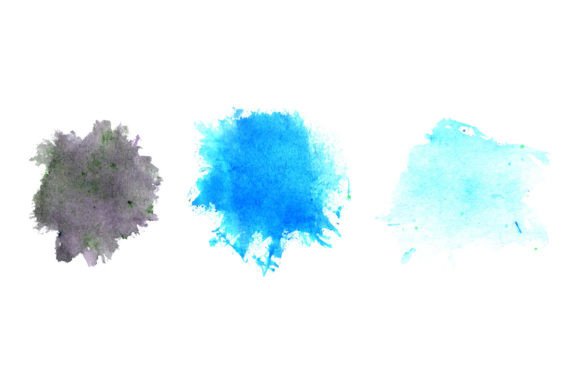
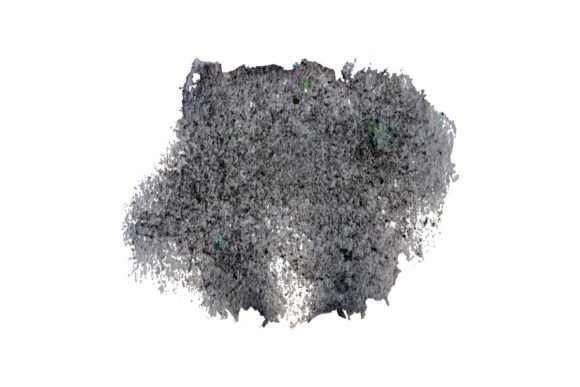
The specific asset you are considering—a black and grey abstract background—offers a sophisticated, neutral aesthetic that works well across various industries. From modern tech startups to minimalist fashion brands, this color palette provides depth without overwhelming other design elements. When paired with the versatility of a comprehensive file package, these assets become a cornerstone for efficient design workflows.
Common Pitfalls When Selecting Digital Brushes
One of the most frequent mistakes designers make is assuming that "vector" automatically means "editable." While true for some complex illustrations, many low-quality marketplaces sell rasterized images saved inside vector containers. If you open the file and cannot select individual brush strokes or adjust the opacity of specific layers, you have likely purchased a static image disguised as a vector. This limits your ability to customize the piece to fit your unique brand identity.
Another overlooked detail is the complexity of the path data. High-resolution watercolor effects often rely on thousands of anchor points to simulate the bleeding and granulation of real paint. While this looks great on screen, it can slow down your computer significantly or cause compatibility issues with older versions of design software. Always check the file size and node count before committing to a purchase. A bloated file might look impressive initially but will hinder your efficiency during the actual design process.
File Format Confusion and Compatibility
Many buyers overlook the importance of having multiple file formats included in a package. Relying solely on one format can lead to significant workflow bottlenecks. For instance, if you only receive an AI file, you might struggle to implement the asset into a web project where SVG is required. Conversely, if you only have a PNG, you lose the ability to edit colors or shapes entirely.
A robust package should include a variety of formats to cover every potential use case:
- AI File: The native Adobe Illustrator format, essential for deep editing and layer management.
- EPS File: A universal vector format compatible with a wide range of legacy and modern design software.
- SVG File: Crucial for web design, ensuring your graphics remain sharp on any screen size.
- PNG File: Ideal for quick mockups, social media posts, or presentations where vector editing isn't necessary.
- Preview JPEG File: Useful for quick reference and client presentations before opening heavy vector files.
Evaluating Quality Before You Download
Before downloading or purchasing a Watercolor Vector Brush pack, take a moment to inspect the preview images closely. Look at the edges of the brush strokes. Do they appear jagged or pixelated even at 100% zoom? In a true vector file, the edges should remain smooth regardless of magnification. Additionally, examine the color gradients. Realistic watercolor effects require subtle transitions between shades. Flat, banding colors often indicate a poor conversion from raster to vector, resulting in an artificial look that undermines the organic feel you are trying to achieve.
Consider the context in which you will use the asset. If you are creating a logo, you need clean, distinct lines. If you are designing a background for a website, you need seamless textures that tile well. The black and grey abstract background mentioned earlier is particularly versatile because its monochromatic nature allows it to blend seamlessly with almost any foreground element. However, ensure the contrast levels are appropriate for your intended medium. A design that looks stunning on a bright monitor might appear too dark or muddy when printed on matte paper.
Maximizing Efficiency with the Right Tools
Once you have secured a high-quality package containing AI, EPS, SVG, PNG, and Preview JPEG files, the next step is integration. A common error is trying to force a complex vector illustration into a program not designed for it. For example, attempting to edit intricate vector paths in basic photo editors will result in frustration and poor results. Stick to dedicated vector software like Adobe Illustrator, CorelDRAW, or free alternatives like Inkscape for the AI and EPS files.
For web developers, the SVG file is your best friend. It allows you to embed the graphic directly into your HTML code or style it using CSS. This means you can change the color of the black and grey strokes dynamically based on user interaction or theme settings, something impossible with a PNG. By utilizing the full suite of provided formats, you future-proof your design projects and maintain flexibility throughout the creative lifecycle.
Practical Steps for Better Results
To avoid the common traps associated with digital assets, follow these practical guidelines:
- Test Before You Buy: If possible, download a sample or trial version to test compatibility with your specific software version.
- Check Layer Structure: Open the AI or EPS file immediately after purchase to verify that the brush strokes are on separate, editable layers rather than flattened groups.
- Optimize for Output: Use the SVG for web, the EPS/AI for print, and the PNG for quick drafts. Don't mix these up, as it can lead to unnecessary file bloat or quality loss.
- Review Licensing: Ensure the license covers your intended use, whether it's for personal projects, commercial client work, or resale in modified forms.
By approaching your selection of a Watercolor Vector Brush with a critical eye and a clear understanding of file formats, you ensure that your investment pays off in both time and quality. The right asset enhances your creativity rather than restricting it, allowing you to focus on the art rather than troubleshooting technical glitches. Whether you are a freelancer building a portfolio or a small business owner refreshing your brand, choosing the correct tools is the first step toward a polished, professional outcome.